If you have just bought an EV or are seriously considering one, installing a home charger is the single most important practical decision you will make. A good home setup transforms EV ownership. A poorly planned one creates daily frustration. Here is what you actually need to know before you spend any money.
Why Home Charging Matters
The vast majority of EV charging in Ireland happens at home overnight. Public charging networks are improving but remain inconsistent, occasionally unavailable and more expensive per kWh than home electricity. An EV owner with a home charger wakes up every morning to a full battery. An EV owner relying on public charging plans their day around availability. The difference in daily experience is significant.
The SEAI Grant — What It Covers
SEAI offers a grant of up to €300 toward the purchase and installation of a home EV charger. The grant is available to both new and second-hand EV buyers and requires installation by a SEAI-registered installer. The application process is straightforward and in most cases the grant is paid directly to the installer, reducing your upfront cost immediately. For full details visit seai.ie — grant values and eligibility criteria can change, so always verify before committing.
What Does Installation Actually Cost?
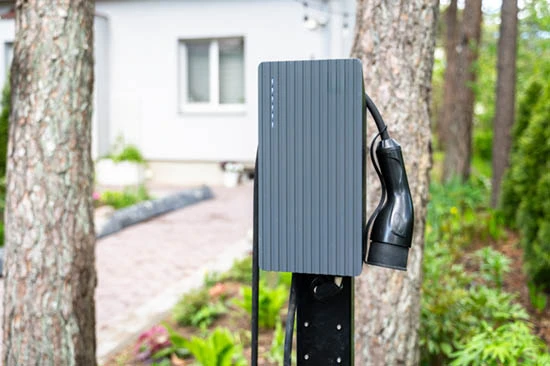
Total cost including hardware and installation typically runs between €800 and €1,400 before the SEAI grant. After the €300 grant, net cost is approximately €500 to €1,100. Factors that increase cost include the distance from your consumer unit to the charging point and whether any upgrades to your domestic wiring are required. Most standard residential installations are at the lower end of this range.
7kW vs 22kW — Which Do You Need?
The standard home charger in Ireland is a 7kW unit. This is sufficient for the vast majority of Irish EV owners — a 7kW charger will fully charge most EVs overnight, typically in 6 to 10 hours. A 22kW three-phase charger charges approximately three times faster but requires three-phase electricity supply, which is not standard in most Irish homes. Unless you already have three-phase supply, a 7kW unit is the practical choice.
"Most Irish EV owners will never need more than a 7kW home charger. The goal is a full battery every morning — not fast charging at home."
Running Costs — What Does It Cost Per Charge?
At a standard Irish rate of approximately 30–35 cent per kWh, a full charge of a 60kWh battery costs around €18–€21. Night-rate tariffs — available from most Irish electricity providers — can reduce this significantly, often to 15–20 cent per kWh during overnight hours. Setting your charger to run on a night rate schedule is the simplest way to reduce running costs.
What to Look For in a Home Charger
Look for a unit with smart charging capability — this allows you to schedule charging for off-peak rate periods and monitor energy usage. Brands commonly installed in Ireland include Myenergi Zappi, Easee, EO Mini Pro and Ohme. If you have solar panels or are considering them, the Myenergi Zappi is designed specifically to prioritise solar generation for charging before exporting to the grid.
For more on solar and home energy grants, irish-energy.ie covers SEAI solar grants and home energy upgrades in detail.
Frequently Asked Questions
The SEAI EV home charger grant covers up to €300 toward purchase and installation. It applies to both new and second-hand EV purchases and requires a SEAI-registered installer.
Total cost including hardware typically runs €800–€1,400 before the SEAI grant. After the €300 grant, net cost is approximately €500–€1,100.
A standard 7kW home charger will fully charge most EVs overnight — typically 6 to 10 hours depending on battery size. Most owners charge overnight on a night-rate tariff for the lowest running costs.