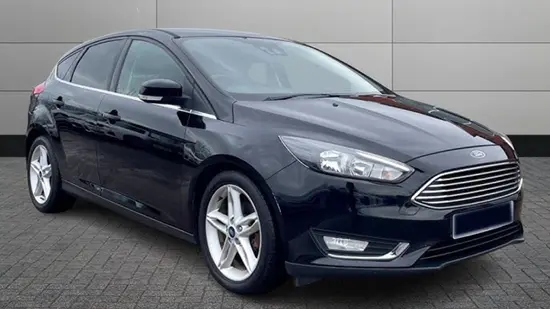
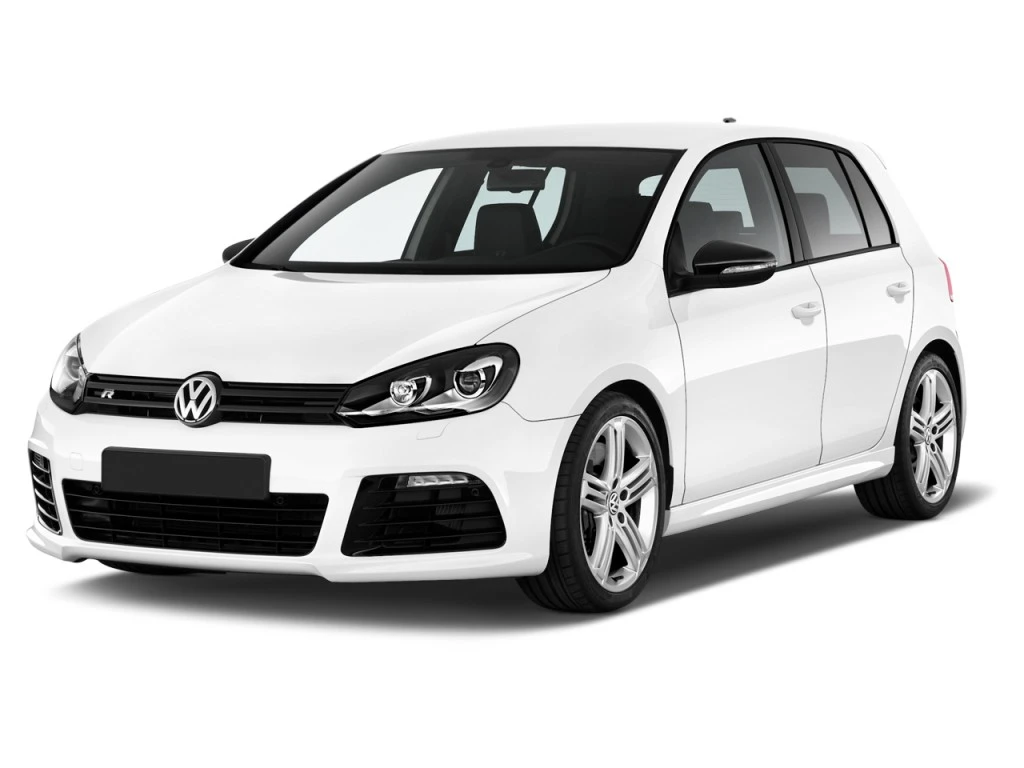
If the VW Golf is the benchmark Irish hatchback, the Skoda Octavia is what you buy when you want everything the Golf offers — the same engine, the same reliability profile, the same VAG underpinnings — but with a genuinely enormous boot, more rear legroom and a lower asking price. It is one of the best-value used cars on DoneDeal right now, provided you know what to check.
Overview
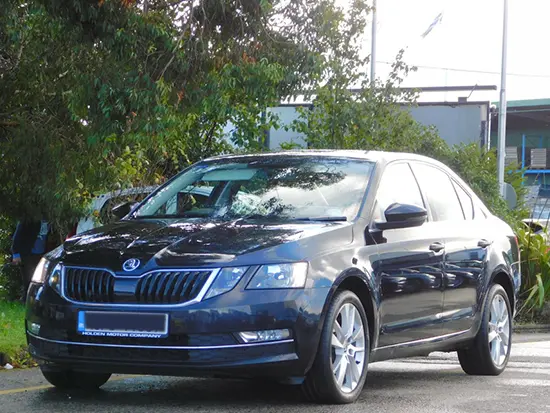
The third-generation Octavia launched in 2013 on VW's MQB platform — the same architecture underpinning the Mk7 Golf and Seat Leon. It shares engines, gearboxes and most of its mechanical components with its VAG siblings but costs less to buy used and slightly less to service at an independent garage. The 2.0 TDI is the engine that made the Octavia a favourite with Irish taxi drivers, high-mileage commuters and families who need boot space above all else. It is punchy, economical and built to last — when looked after.
Engine & Gearbox
The EA288 2.0 TDI produces 150hp in most Irish examples and is one of the more durable diesel engines available in this class. It is paired with either a 6-speed manual — the preferred choice — or a 6-speed DSG automatic. Unlike the dry-clutch DSG fitted to the 1.6 TDI Golf, the Octavia 2.0 TDI gets the oil-bathed 6-speed DSG which is a significantly more robust unit. It is still dependent on regular fluid changes at 60,000km intervals — frequently skipped — but is not the liability the smaller dry-clutch unit is.
Known Faults
DSG mechatronic failure is the most serious gearbox risk and almost always the result of skipped fluid changes. The mechatronic unit controls all shift functions — when it fails, the car can become undriveable. A full DSG service history with fluid changes documented at 60,000km intervals is non-negotiable on any DSG example.
Timing belt and water pump failure is the headline mechanical risk on the 2.0 TDI. The water pump is prone to sticking sleeves — it can fail without much warning and the consequences for the engine are serious. Irish specialists consistently recommend replacing both together every 5 years or 120,000km. Any example without documented belt and pump work is carrying an unknown risk.
High-mileage injector wear becomes relevant above 150,000km. Rough running and increased fuel consumption are the early signs. A diagnostic scan before purchase will flag any injector fault codes. Budget for injector servicing on any example with significant mileage.
Road noise and ride quality on rougher Irish rural roads can feel firm on lower-spec models without the optional comfort suspension. Not a fault but worth experiencing on a proper test drive on roads representative of your daily use.
What to Check on Inspection
Ask specifically for DSG service history on automatic examples — fluid change documentation at 60,000km intervals. Without it, budget for a DSG service immediately after purchase or walk away.
Ask for timing belt and water pump documentation. Most Irish specialists recommend every 5 years or 120,000km. On high-mileage examples, this is the most important single piece of paperwork to verify.
Run a full diagnostic scan before purchase. The EA288 stores fault codes reliably — any injector, DPF or emissions faults will show. Pay particular attention to DPF status on cars used mainly in the city.
Check the boot floor and rear footwells for water ingress on estate models. Tail light seal failures allowing water into the boot are documented on this generation.
"The Octavia gives you Golf mechanicals, more space and a lower price. The service history requirements are identical — do not compromise on them."
NCT Watch Points
DPF emissions failures and rear suspension bush wear are the most common NCT failure points on this generation. On estate models, check the rear light clusters for condensation — seal failures are common and will fail an NCT on visibility grounds.
Running Costs
Road tax is approximately €200–€280 per year depending on the specific engine variant and emissions. Real-world fuel economy is strong at 50–58 MPG on a mixed cycle. Servicing costs at an independent VAG specialist are very reasonable — the Octavia shares parts with the Golf and benefits from the same competitive parts pricing.
What to Pay in Ireland
Budget between €10,000 and €16,000 depending on year, spec and mileage. Estate models consistently command a small premium over hatchbacks and are worth it for the boot space. Full service history and documented timing belt work push examples toward the upper end — and are worth paying for.
Verdict
Buy — with full service history. The Octavia 2.0 TDI is arguably the best-value used family car on the Irish market right now. More space than a Golf, lower price than a Passat, same engine and the same reliability profile when maintained correctly. The DSG and timing belt are the two areas that separate the good examples from the expensive ones. Get the paperwork right and this is an excellent used buy.
Frequently Asked Questions
The EA288 2.0 TDI engine is robust and long-lasting when properly serviced. The main risks are DSG neglect and timing belt and water pump failure. A well-documented example is one of the best value used buys in Ireland.
DSG fluid should be changed every 60,000km. This is frequently skipped and a neglected DSG can develop expensive mechatronic unit failures. Only buy a DSG example if you can verify the full DSG service history.
Most Irish specialists recommend every 5 years or 120,000km, whichever comes first. The water pump is prone to sticking sleeves — always replace both together. Do not buy an example where this work cannot be documented.
Between €10,000 and €16,000 depending on year, spec and mileage. Estate models with full service history command the higher end. The Octavia consistently offers more space and equipment per euro than its VW Golf sibling.